Amending a personal tax return letter
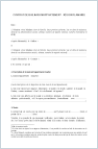
You are entitled to amend entries on your personal self-assessment tax return within the “amendment window”. Where you completed and submitted your return electronically either using HMRC’s or commercial software, you can use it to make amendments. However, where you submitted a return in paper format you will need to write to HMRC with details of the corrections.
Tax return amendment window
There are different time limits in which an amendment can be made:
- where the orginal return was submitted within the normal filing deadline, one year from that date, the normal filing deadline is 31 January following the end of the tax year. For example, for 2019/20 the filing deadline is 31 January 2021 and the amendment window, 31 January 2022
- where HMRC’s notice requesting you submit a tax return is issued after 31 October following the end of the tax year concerned, it’s one year and three months from the date of issue of HMRC’s notice to file.
- where HMRC issues a notice closing an enquiry into your tax return, it’s 30 days from the date of issue of the notice.
Use our Amending a Personal Tax Return Letter to make the process easier.
Related Topics
-
Electronic VAT return and payment due
-
Employment Intermediaries quarterly return due
-
Elevate your HMRC complaint
If complaining to HMRC gets you nowhere you can ask the Adjudicator’s Office (AO) to review your case. The process can be trickier than it ought to be. What problems might you encounter and how can you avoid them?